Monday, June 13, 2011

PSS: Exercise and Diet Re-habituation Program


Obesity has always been one of the most critical health conditions in the world. Whether it is eating disorders, lack of exercise, lack of self care, there are countless influences that lead up to conditions of overweight and obesity. This is especially found in Australia, which is known for one of the fattest and laziest populations.

In recent years he Australian government has also been promoting campaigns and initiatives to encourage the population to eat healthy and exercise healthy to reduce the risk of chronic disease in the long run. This goal is to regain a healthier Australian demographic and reduce the stresses put on healthcare.

"67.4% of adult 25 yrs and over of Australian Population is overweight, 7% higher than that in 2004 (World Health Organization 2007)"

In Country and suburban areas, it is 1.3 times more common to identify this weight increasing demographic. The rising obesity concern is most critical in Australians aged 55years and over, which a growing count that is approaching 1 million of this ageing population.

In 2004-05 or both men and women the proportion classified as overweight or obese was highest in the 55-64 year age group, with persons in this age group being twice as likely to be overweight or obese (72% of men and 58% of women aged 55-64 years) than those in the 18-24 years age group (36% of men and 28% of women).

Causes of Obesity in the 55-64 range include:
Uneducated of exercise routines (fatigue)

-Bad Diet habits or Eating Disorders

- Slowed down aging metabolism

- Lack understanding of own body

-Lack of Motivation

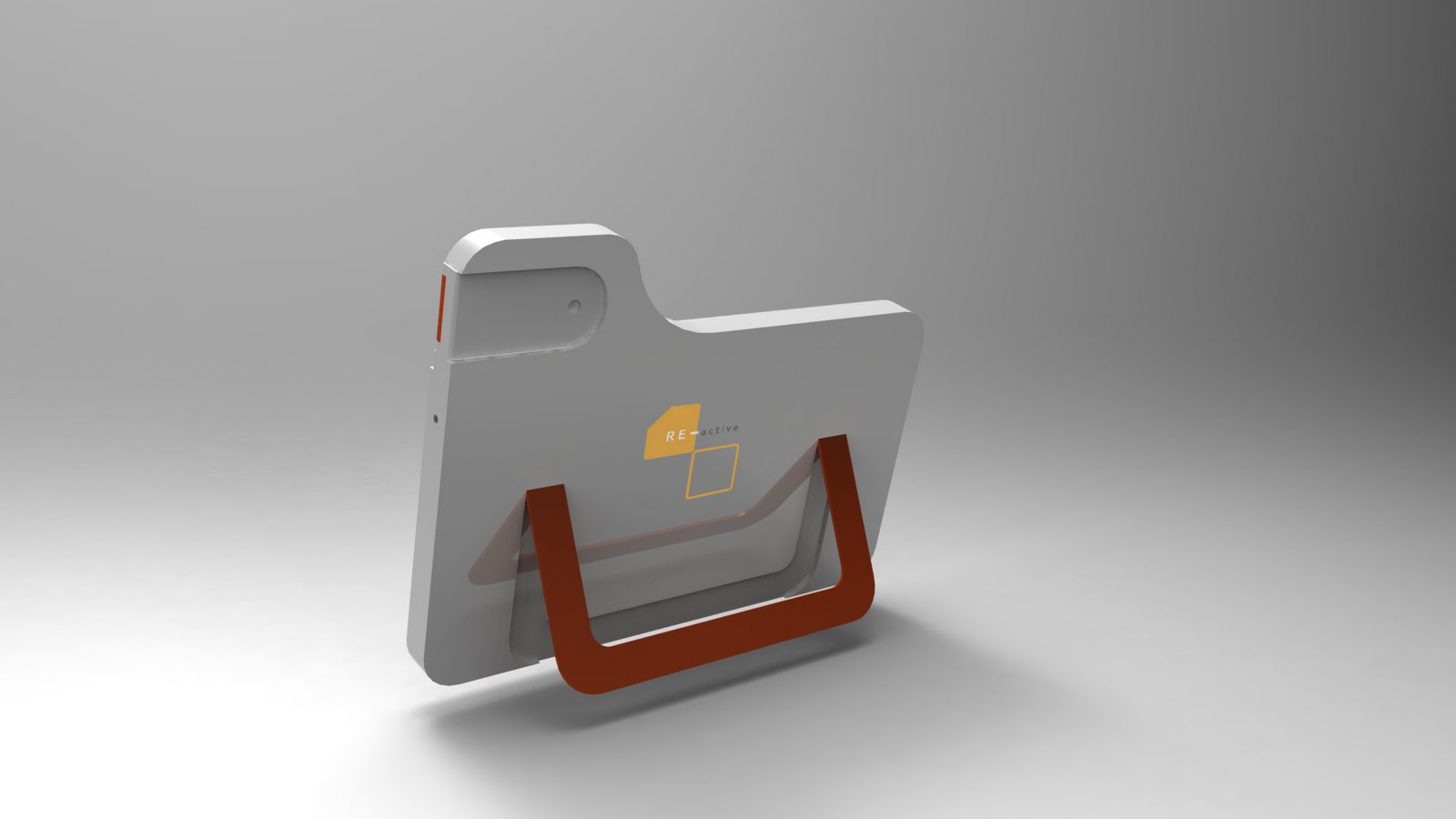
"Re-Active" is an Exercise and Diet Re-habituation Program Kit, which is designed as a government initiative. It revolves around a local community group, which allows people who are diagnosed as overweight or obese to be connected together and achieve lifestyle changing goals.

This Kit aims to:
• Educate in Healthy eating habits
• Promote Safe and Healthy Exercising routines
• Provide Motivation in physical exercise within a community group
• Keeping track of personal progress

RE-active: Exercise and Diet Re-habituation Program


Saturday, June 11, 2011

Product Service Systems project reflection


Like most Design project, planning for a concept and beginning the development base of a new Industrial Design Idea, perhaps is the hardest part of any design work. It is even more difficult this time thinking in a large-scale manner and not just making considerations about a product by its own, but also designing the system that the product travels through.

As this project required us to work as a team, it all depended on the work force of each member and the management of the team. Particularly the beginning of the project was indeed difficult and it required a lot of researching into the surroundings of the product like current government schemes, initiatives and picking out the potentials or gaps within existing system.

Our group focused on the topic health, and consolidating on a concept was the hardest part, we went from, pest control, to personal training, smoking and even safe sex. After being baffled by the tutors to concentrate on personal training, health and obesity. Our group explored the depths of obesity, looking into existing services such as dietary, exercise and weight-loss programs and finally decided to push the idea into a product that cover these areas.

Finally the team agreed to design for the most crucial sector of obesity, which is the 55-64 year olds, who are the largest in the obesity/overweight percentage, due to the aging population and declining metabolisms of this age group. Our team’s goal was to:

• Educating in Healthy eating habits
• Promoting Safe and Healthy Exercising routines
• Motivation in physical exercise within a community group
• Keeping track of personal progress

This became a Kit and part of a government campaign called “Re-active”

“Exercise and Diet re-habituation program”

By JULIAN CHOW, EUGENIUS LAI, GABRIEL LY (University of New South Whales, Industrial Design)

Thursday, April 14, 2011

Design for Disasters Project Process


BIO-SAFE: Design for Disasters


REFLECTION on DISASTERS PROJECT

The project was extremely difficult in the beginning, mainly because Tsunamis are such instantaneous disasters. In the beginning of the project I wanted to focus on response to disasters and life saving during a Tsunami situation. Due to costing and complexity of my products to save a small amount of lives, my designs were not as plausible solutions in a third world country.

With more research put into Sri Lanka after the Tsunami in 2004, there were many hardships caused to people, including Trauma, grief, loss, but most evident issue was health of people. Without health, they could not go on to rebuild their lives and sickness certainly brings only more trauma and more grief to the community. The biggest health problem Sri Lanka(not only Sri Lanka) faced was sanitation. People who lost their home during the disaster were sent to populated relief camps, food and water was quite sufficient to survive the people, but there was not enough toilets. It was also very evident that people were not disposing faeces correctly and excreting in places that cause contamination to fresh water they drink, causing many diseases and illness to people. Main affected demographic was particularly children, who drink from contaminated water sources and contracting sickness and Diarrhea, which leads to death from dehydration.

The project then took me into looking at biodegradable ways to store faeces, or even put human bio-waste to use, such as a biogas digester. My initial design was a collapsible container that can be installed underground to hold human waste. They were stackable and easily transported when a canister is full. The reason I wanted it to be stackable was because it can be easily taken to biogas digesters and fermented by anaerobic bacteria as gas for cooking. But the draw back of that design was transporting bio-waste material is unhygienic and extremely dangerous, and biogas digesters take a long time to digest fuel for an hour of cooking. The finalized concept is all about being back to basic and saving as much materials needed at a cheap cost, designing it with a less complex shape and low profile for cheaper tooling. It is versatile in order to mount any conventional toilet over the top and instead of a hard plastic canister, bio waste is contained in a flexible lining which molds to any hole shape and the whole system safely biodegrades.

This project indeed was a challenge, it was a race against time, but I enjoyed designing for real life situations and designing to ease a country’s post disaster conditions and improving their sanitation and hygiene


Julian Chow z3288968